
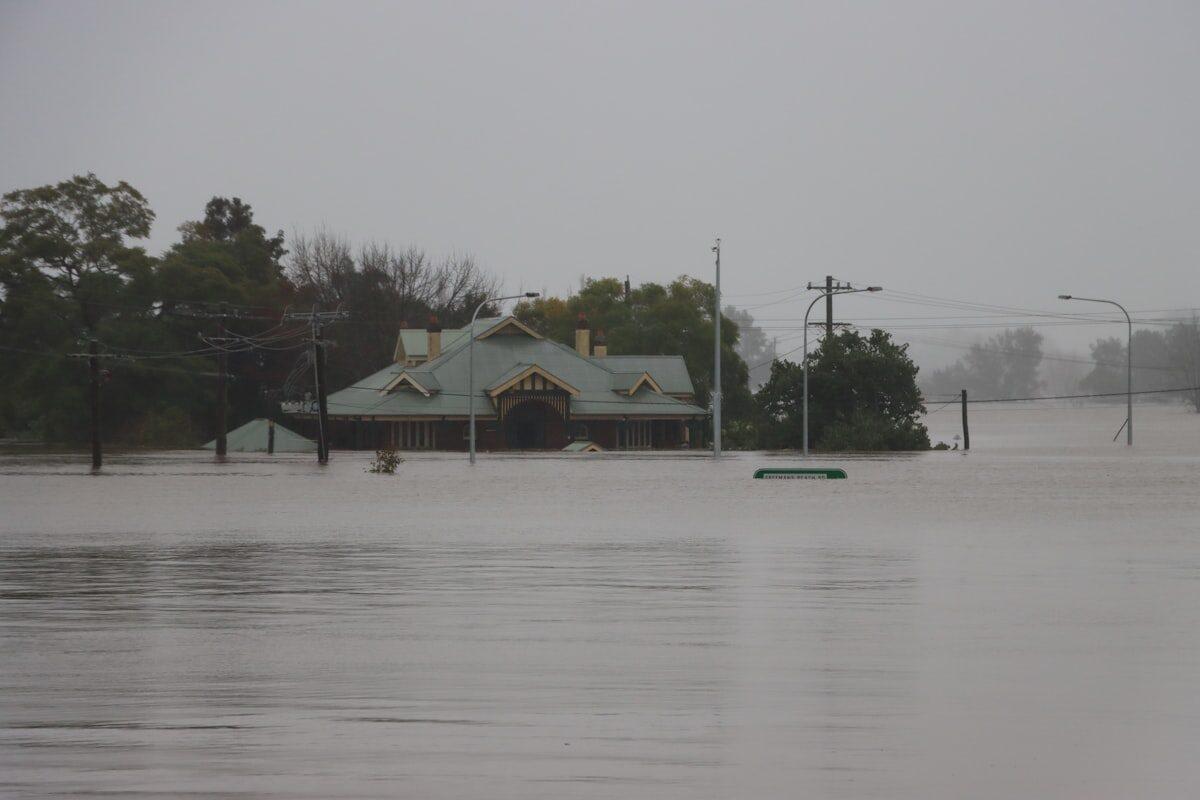
Flooded Basement in Idaho Falls: What to Do in the First 24 Hours
A flooded basement in Idaho Falls can happen year-round — from frozen pipe bursts in winter to spring snowmelt pushing water through foundation cracks. Here's exactly what to do in the first 24 hours to minimize damage and protect your health.
If water is still rising or you smell gas: leave immediately and call 911. Don't re-enter until utilities are confirmed off and the structure is declared safe.
A flooded basement is one of the most stressful things a homeowner can face. Whether it's a frozen pipe that finally let go, spring snowmelt pushing through a foundation crack, or a sump pump that failed at 2 a.m., the first 24 hours determine how much of the damage is permanent — and how much you'll pay to fix it.
This guide is written specifically for Idaho Falls and Southeast Idaho homeowners. The causes, the timing, and the risks here are different from other parts of the country — and the response needs to match.
Common Causes of Basement Flooding in Idaho Falls
Understanding what caused your flooding helps you respond correctly and prevents it from happening again.
Frozen and Burst Pipes
Idaho Falls winters regularly push temperatures below zero. Pipes in unheated spaces — crawl spaces, garages, exterior walls, and along the rim joist — freeze and then burst when they thaw. A ¾-inch supply line can release hundreds of gallons per hour. This is the most common cause of basement flooding in Southeast Idaho from November through March.
Spring Snowmelt and Saturated Ground
Eastern Idaho's spring thaw — typically March through May — saturates the ground with snowmelt from the surrounding mountains and the Snake River Plain. When the water table rises, it can push through foundation cracks, around basement windows, or through the floor-wall joint at the base of the foundation. This is hydrostatic pressure flooding, and it often happens overnight when temperatures drop and refreeze.
Irrigation Season Ground Saturation
Idaho Falls sits in one of the most heavily irrigated regions in the country. During irrigation season from April through October, neighboring fields and municipal canals keep the water table elevated. Homes near low-lying areas or older irrigation infrastructure are particularly vulnerable.
Sump Pump Failure
Sump pumps in Idaho Falls homes work hard during spring and irrigation season. A pump that loses power during a storm, burns out from overuse, or simply reaches end of life during a critical period can allow significant water accumulation in hours. If your home has a sump pit, a battery backup is not optional — it's essential.
Sewer Backup
City sewer systems in Idaho Falls can be overwhelmed by heavy rain events or spring snowmelt. If the municipal system backs up, it can push sewage into basement floor drains. This is Category 3 water — the most hazardous — and requires a completely different response protocol than clean water flooding. Read our full guide to Category 3 water damage if you have any reason to believe the water in your basement came from a sewer or drain backup.
Step-by-Step: What to Do in the First 24 Hours
Hour 0–1: Safety First
Do not enter a flooded basement until you've done these things:
- Shut off the electricity to the basement at your main breaker panel — which is ideally located outside the flooded area. Water and electricity are fatal. If your breaker panel is in the flooded basement, call an electrician or your utility company before entering. Do not step into water that may be in contact with live electrical circuits.
- Shut off the water source if the flooding came from a burst pipe. The main shutoff is typically near the water meter or where the line enters the house. Shutting off the water stops the volume from increasing while you respond.
- Check for gas leaks. If you smell gas or suspect a line was affected, leave immediately and call your gas utility.
- Assess the water source before entering: does it look clear (clean water), gray/murky (appliance or gray water), or brown/black and smell bad (sewage)? This determines how safely you can proceed and what protective equipment is needed.
Hour 1–2: Document Everything
Before you move anything or start cleanup, photograph and video the entire affected area. Walk the perimeter. Capture the waterline on walls, all affected flooring, any damaged contents, and any obvious entry points. This documentation is the foundation of your insurance claim. Do it before you remove a single item — adjuster visits are scheduled after the fact, and your photos may be all the proof they see of the original damage extent.
24/7 Emergency Service
Need immediate restoration help?
Our IICRC-certified technicians respond fast across Southeast Idaho. Don't wait — every hour counts when water or mold is involved.
Call (208) 604-4411Hour 1–3: Call a Professional Extraction Team
Call Home Pride Restoration at (208) 604-4411 — we respond 24/7 in Idaho Falls and surrounding areas. Don't wait until morning to call if this happened overnight. Water doesn't stop migrating at 5 a.m. Every hour it sits, it:
- Migrates further under flooring and behind walls
- Increases drying time (and cost)
- Brings you closer to the 24–48 hour mold growth window
- Weakens drywall, subfloor, and structural wood
While you're waiting for us to arrive:
Hour 2–4: Remove What You Safely Can
Move furniture, area rugs, boxes, and valuables out of the water and ideally out of the basement entirely. Do this only if the space is confirmed electrically safe. Wet cardboard, fabric, and wood absorb water quickly and become breeding grounds for mold — removing them reduces drying time and potential losses.
Do not use a household wet-vac or shop vac as your primary extraction tool for a flooded basement. They're not powerful enough to extract the volume of water that's soaked into a concrete slab and subfloor, and you'll be running it for hours to little effect. Professional extraction equipment removes water 10–20x faster.
Hour 4–24: Professional Extraction and Drying Setup
When our crew arrives, we'll conduct a moisture assessment of the entire space using thermal imaging and moisture meters — not just the visible wet areas. Water travels. A finished basement flooded with 2 inches of standing water has water behind every wall, under every section of flooring, and potentially into the wall cavities above the flood line.
We deploy industrial air movers and commercial dehumidifiers calibrated for the affected area size. These run continuously for 3–5 days minimum, with daily moisture checks. We'll also apply antimicrobial treatment to all affected surfaces to inhibit mold growth during the drying period.
What NOT to Do After a Basement Flood
- Don't run box fans or household fans as your only drying method. They move surface air but do nothing about moisture trapped inside walls, under slabs, or in structural lumber.
- Don't tear out drywall before documenting damage. Your insurance adjuster needs to see original damage. Take photos and video first, then do necessary demo.
- Don't assume it's dry because it looks dry. Concrete, drywall, and subfloor can hold significant hidden moisture for weeks. Moisture meters are the only reliable way to confirm dryness.
- Don't delay on sewage water. Category 3 contamination is a serious health risk. If the water came from a drain backup or smells of sewage, limit your contact, wear protective equipment, and call for professional response immediately.
- Don't skip the insurance call. Even if you're not sure you'll file a claim, call your agent to report the damage. There are often time limits on claims, and reporting preserves your options.
When to Call a Professional vs. Handle It Yourself
DIY basement water cleanup is appropriate only in very limited situations: a small, contained spill of clean water (Category 1) that covers less than 10 square feet, was caught immediately (within 1–2 hours), and hasn't soaked into any wall or structural material. If you're mopping up a gallon from a laundry room floor that didn't reach the walls, you can handle that yourself.
Call a professional for everything else:
- Any standing water covering more than 10 square feet
- Water that has been present for more than a few hours
- Water that has soaked into drywall, carpet, or subfloor
- Any gray or black water (appliance backup, sewage, or murky water)
- Any flooding during winter months (frozen pipe risk, slow drying conditions)
- Any flooding near electrical panels, appliances, or HVAC equipment
The cost of professional extraction in the first 24 hours is significantly lower than the cost of mold remediation and structural repairs that result from inadequate DIY cleanup. See our full cost guide for realistic price ranges by damage category.
Sources
- Mold and Moisture: Act Within 24–48 Hours — U.S. Environmental Protection Agency
- IICRC S500 Standard for Professional Water Damage Restoration — Institute of Inspection, Cleaning and Restoration Certification (IICRC)
- Flood Safety and Recovery — FEMA Ready.gov
Eddy — Owner & Lead Technician
IICRC Certified · Water Damage Restoration · Mold Remediation
Eddy is the owner and lead technician at Home Pride Restoration and Cleaning, a family-owned business he has grown to serve Southeast Idaho for over 40 years. IICRC certified in water damage restoration and mold remediation, he has personally overseen thousands of residential and commercial projects across Idaho Falls and the surrounding region. Eddy founded the company on a simple belief: honest, reliable work that treats every home like his own.
Related Articles

Why Quick Action Matters: The Importance of Emergency Water Extraction to Protect Your Home
Flooding or unexpected water intrusion can turn any homeowner's world upside down. Whether it's the aftermath of a storm, a broken pipe, or an overflowing appliance, water damage is relentless and can compromise both the structure and safety of your home. Acting quickly isn't just advisable; it's essential.
What Happens During Professional Fire Damage Restoration
Fire damage is more complex than it looks. Soot, smoke odor, water damage from firefighting, and structural concerns all have to be addressed in the right order. Here's exactly what professional fire restoration involves.

Protect Your Home's Foundation from Water Damage with These Tips
Water damage might not seem like an immediate concern, but it can lead to extensive—and expensive—problems for your home's foundation if left unchecked. Whether you're a homeowner looking to safeguard your property or a property manager tending to a portfolio of buildings, keeping water at bay is crucial for maintaining the structural integrity of any property.
Flooded basement in Idaho Falls? We respond 24/7.
Don't wait until morning. Home Pride Restoration dispatches to Idaho Falls and Southeast Idaho around the clock. The faster we start, the less the total damage — and the lower your restoration cost.