
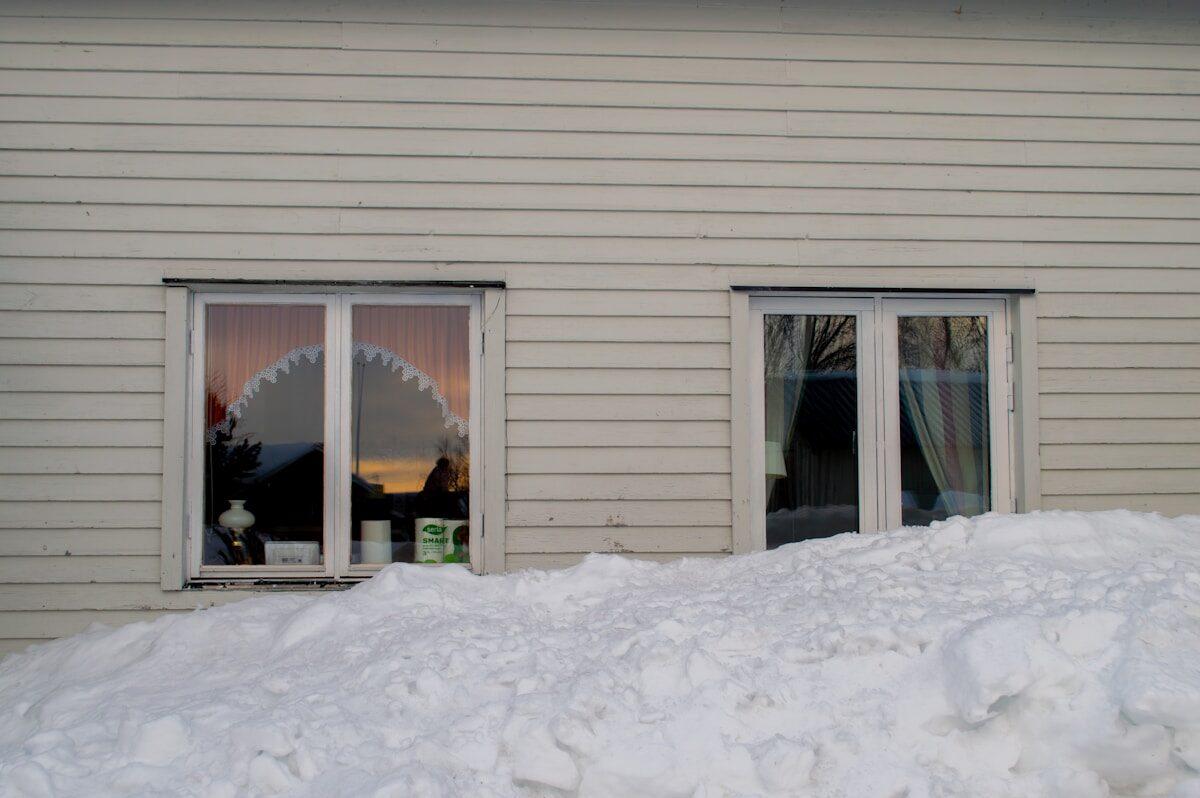
How to Winterize Your Idaho Falls Home and Prevent Frozen Pipes
Burst pipes are the most common water damage emergency we respond to in Idaho Falls from January through March. Most of them are preventable. Here's the complete fall checklist for keeping your home dry all winter.
From our 40+ years responding to water damage emergencies across Idaho Falls and Southeast Idaho, one pattern is clearer than any other: the majority of our January and February calls are burst pipes — and most of them were preventable with fall preparation.
Idaho Falls winters are serious. Average January lows reach 14°F, and extended cold snaps of 5–10 days at or below zero occur most years. Pipes in unprotected locations — exterior walls, crawl spaces, garages, and outdoor supply lines — are at genuine risk during these events. Here's what to do before the cold arrives.
Understand Your Risk Points
Not all pipes are equally vulnerable. The ones that freeze are almost always in one of these locations:
- Crawl space supply lines: If your crawl space isn't adequately insulated or heated, supply lines running through it are exposed to outdoor temperatures. This is the most common source of burst pipe calls in Idaho Falls older homes.
- Exterior wall runs: Pipes running through exterior walls without adequate insulation behind them are vulnerable when temperatures stay below 20°F for extended periods.
- Garage supply lines: Laundry hookups, utility sinks, and water heaters in unheated garages are high-risk during severe cold.
- Outdoor hose bibs: If not properly shut off and drained, outdoor faucets are nearly guaranteed to freeze.
- Vacant or partially heated spaces: Basement utility rooms, vacation cabins, and rental units with reduced heat during extended cold are common sources of freeze damage.
The Fall Winterization Checklist
Outdoor Plumbing
- Disconnect and drain all garden hoses before the first freeze
- Shut off interior shutoff valves for outdoor hose bibs — then open the outdoor faucet to drain remaining water from the line
- Insulate hose bib covers (foam covers are inexpensive and effective) as an additional layer
- Drain and winterize irrigation systems — blow out lines with compressed air or call an irrigation contractor
Crawl Space
24/7 Emergency Service
Need immediate restoration help?
Our IICRC-certified technicians respond fast across Southeast Idaho. Don't wait — every hour counts when water or mold is involved.
Call (208) 604-4411- Close crawl space foundation vents before sustained temperatures drop below 20°F
- Inspect supply line insulation — pipe insulation foam is inexpensive and easy to apply
- Seal any gaps in the crawl space perimeter where cold air can infiltrate
- If your crawl space has a history of freezing issues, consider a low-wattage pipe heat cable on vulnerable supply lines
Interior Preparation
- Know where your main water shutoff is located — if a pipe does burst, fast shutoff limits total damage dramatically
- Open cabinet doors under sinks on exterior walls during severe cold to allow warm air to reach pipes
- Keep your thermostat set no lower than 55°F even when away — this is the minimum to prevent freezing in most Idaho Falls homes
- For extended vacations, consider shutting off the main supply and draining the system
For Vacant or Seasonal Properties
- Maintain at least 55°F continuously — do not turn off heat entirely
- Install a smart thermostat or temperature monitor that alerts you to drops below your setpoint
- Consider a whole-home water leak detector (devices like Phyn or Flo by Moen monitor flow patterns and alert you to abnormal usage)
- Have a local contact who can check the property and shut off water if needed
If You Arrive Home to a Burst Pipe
Shut off the main water supply immediately — this is the single most important action. Even a pipe that has already burst will continue releasing water until the supply is off. Then call Home Pride at (208) 604-4411. Time is critical: within the first few hours of a burst pipe event, the difference between a modest water extraction job and a full structural drying plus mold remediation project is often determined.
Don't attempt to use electricity in wet areas, don't use a shop vacuum on standing water (shock hazard), and don't use open flame to thaw pipes. These are the mistakes that turn a burst pipe into a more serious emergency.
When to Call Before Winter Hits
If your home has a history of frozen pipes, now — before the cold season — is the time for a professional assessment of your plumbing vulnerability. A plumber can identify exactly which sections of pipe are at risk and recommend targeted solutions (pipe insulation, heat cables, or rerouting vulnerable runs) that are far less expensive than the damage a burst pipe causes. Call us if you want a restoration professional's assessment of your home's specific risk profile.
Sources
- Frozen Pipes: How to Prevent and Thaw — American Red Cross
- Winter Storm Preparedness — National Weather Service
- IICRC S500 Standard for Professional Water Damage Restoration — Institute of Inspection, Cleaning and Restoration Certification (IICRC)
Eddy — Owner & Lead Technician
IICRC Certified · Water Damage Restoration · Mold Remediation
Eddy is the owner and lead technician at Home Pride Restoration and Cleaning, a family-owned business he has grown to serve Southeast Idaho for over 40 years. IICRC certified in water damage restoration and mold remediation, he has personally overseen thousands of residential and commercial projects across Idaho Falls and the surrounding region. Eddy founded the company on a simple belief: honest, reliable work that treats every home like his own.
Related Articles
What Is Category 3 Water Damage? Sewage Backup Explained
Not all water damage is treated the same way. Sewage backup and floodwater are Category 3 — black water — and require a completely different response than a burst pipe. Here's what that means for your home.
How to Protect Your Idaho Falls Home During Irrigation Season
The Snake River Valley's irrigation season runs May through October — and it raises the moisture conditions every Idaho Falls home has to manage. Here's what changes, and what you should do about it.

Flood vs. Leaks: Understanding Different Types of Water Damage
Water damage is one of the most common issues faced by homeowners and property managers. Whether it's a sudden flood or a persistent leak, water damage can disrupt daily life and lead to costly repairs. But not all water damage is created equal.
Burst pipe or water damage in Idaho Falls?
Home Pride responds to burst pipe emergencies 24/7 across Idaho Falls and Southeast Idaho. The faster you call, the less total damage you'll face.