
Signs of Mold in Your Home: What You Should Look Out For
Do you suspect that your home may be dealing with mold growth? Learn to identify the warning signs of mold in your home before it becomes a serious health and structural risk.
Key Takeaways: Mold signs include musty odors, dark wall stains, worsening indoor allergies, and visible discoloration. Mold grows within 24–48 hours of moisture exposure. Common hiding spots: bathrooms, crawl spaces, basements, and HVAC ducts. Exposure causes respiratory problems and is especially dangerous for children and elderly. A certified mold inspector uses moisture meters and infrared cameras to find hidden mold you can't see.
Do you suspect that your home may be dealing with mold growth? Whether it is visible or not, mold can present both health and structural risks to homeowners. The presence of moisture, humidity, and other environmental factors can accelerate mold growth in hidden areas like walls, ceilings, attics and crawl spaces. If left untreated for long periods of time, this can lead to significant health risks. In this blog post we'll explore common signs which indicate the presence of a potential mold issue in your home so you can stay proactive about its prevention.
Warning Signs That May Indicate Mold Growth
1. Strange Musty Odors
One of the initial warning signs of mold is a stale, musty odor that permeates your home. The scent often starts faint and intensifies gradually.
As mold grows, it releases microbial volatile organic compounds (mVOCs) into the air, which include pungent chemicals like aldehydes, benzenes, carboxylic acids, and terpenes. When combined, these compounds produce unpleasant smells that can be described as musty, stale, earthy, or damp.
At times, the musty smell of mold may appear similar to other household odors. However, if you detect an unusual odor without an apparent source, such as dirty laundry or food waste, then there's a possibility that unseen mold may be growing somewhere.
2. Allergies or Asthma That Get Worse Inside
Mold, according to the CDC, is one of the most prevalent indoor asthma triggers. Mold spores and mVOCs are airborne irritants that can worsen asthma and allergy symptoms, including:
- Sneezing
- Nasal congestion
- Coughing or wheezing
- Shortness of breath
- Itchy eyes
- Chest tightness
If these symptoms seem to appear or worsen indoors, it may indicate the presence of mold. Additionally, you may notice that symptoms exacerbate in specific areas of your home such as basements, attics, closets, bathrooms, or near air vents.
3. Water/Moisture Problems
Have you experienced a recent water leak or noticed higher humidity in your home? Instead of considering them as warning signs, it is more accurate to regard them as risk factors for mold growth.
Mold spores, typically inactive and harmless in the air, require moisture to thrive. They necessitate damp, humid, or wet conditions to develop into mold.
If you have recently encountered an unresolved water leak, flooding, or any other moisture issue that was not promptly addressed and thoroughly dried, there is a higher likelihood that mold might have begun growing.
4. Dark Stains on Walls or Ceilings
24/7 Emergency Service
Need immediate restoration help?
Our IICRC-certified technicians respond fast across Southeast Idaho. Don't wait — every hour counts when water or mold is involved.
Call (208) 604-4411Mold growth on walls and ceilings often presents as dark-colored stains or patches. These discolorations can appear in various colors including black, green, brown, or gray, depending on the type of mold and the surface it's growing on.
Look for these visual indicators, especially in areas prone to moisture like bathrooms, kitchens, basements, and around windows. Pay particular attention to corners where walls meet ceilings, as these areas often trap moisture.
5. Warped or Damaged Building Materials
Mold growth often accompanies moisture damage to building materials. Look for:
- Warped or buckling wood
- Peeling paint or wallpaper
- Cracked or crumbling drywall
- Soft or spongy surfaces
- Rust on metal fixtures
6. Increased Humidity Levels
High indoor humidity creates ideal conditions for mold growth. If your home consistently feels humid or clammy, or if you notice condensation on windows, walls, or pipes, these conditions may promote mold development.
Common Areas Where Mold Hides
- Bathrooms: Around tubs, showers, and toilets
- Kitchens: Under sinks, around appliances, near windows
- Basements: Walls, floors, and storage areas
- Attics: Roof leaks, poor ventilation areas
- HVAC Systems: Ductwork, air handlers, filters
- Laundry Rooms: Around washers, dryers, and water heaters
- Crawl Spaces: Foundation areas with poor ventilation
Health Risks of Mold Exposure
Prolonged exposure to mold can cause various health issues, particularly for sensitive individuals:
- Respiratory problems
- Allergic reactions
- Skin irritation
- Eye irritation
- Headaches
- Fatigue
- Memory problems (in severe cases)
What to Do If You Suspect Mold
If you notice any of these warning signs:
- Don't ignore the problem – mold only gets worse over time
- Document the evidence – take photos and notes
- Address moisture sources immediately
- Avoid disturbing visible mold – this can spread spores
- Contact professionals for inspection and testing
- Consider temporary relocation if health symptoms are severe
Professional Mold Inspection and Removal
While small areas of mold might be manageable with DIY methods, larger infestations or hidden mold require professional attention. Professional mold remediation companies like Home Pride Restoration can:
- Conduct thorough mold inspections
- Perform air quality testing
- Safely remove mold contamination
- Address underlying moisture problems
- Prevent future mold growth
Early detection and professional treatment are key to protecting your home and your family's health. Don't wait until mold becomes a major problem – contact a professional mold inspection service if you suspect mold in your Idaho Falls home.
Sources
- A Brief Guide to Mold, Moisture, and Your Home — U.S. Environmental Protection Agency
- Mold and Health — Centers for Disease Control and Prevention (CDC)
- Mold Frequently Asked Questions — U.S. Environmental Protection Agency
Eddy — Owner & Lead Technician
IICRC Certified · Water Damage Restoration · Mold Remediation
Eddy is the owner and lead technician at Home Pride Restoration and Cleaning, a family-owned business he has grown to serve Southeast Idaho for over 40 years. IICRC certified in water damage restoration and mold remediation, he has personally overseen thousands of residential and commercial projects across Idaho Falls and the surrounding region. Eddy founded the company on a simple belief: honest, reliable work that treats every home like his own.
Related Articles

Signs It's Time to Call in the Professionals for Home Restoration
Homeownership is a rewarding yet demanding responsibility. Maintaining the integrity of your home often means tackling tasks yourself, but certain situations demand the expertise of a professional. When it comes to home restoration, knowing when to call in the experts can save you time, money, and stress.
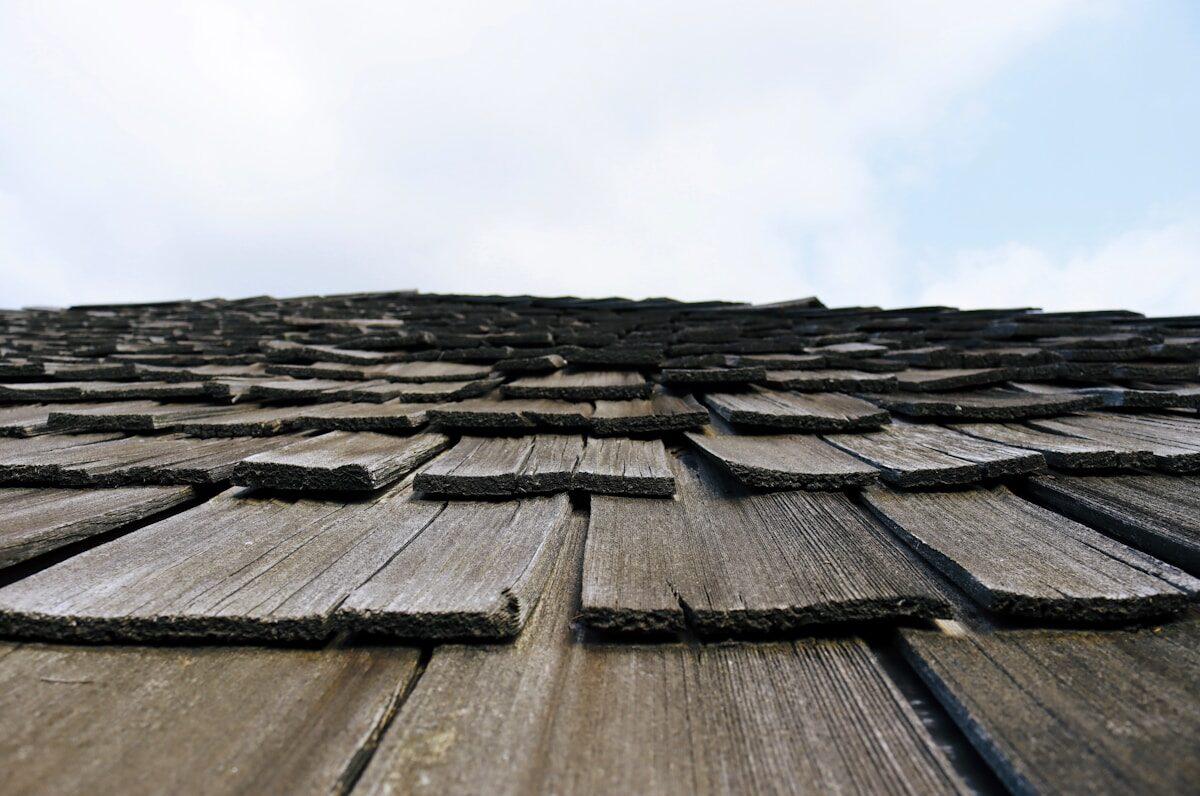
Hail Damage to Your Roof: When to Call a Restoration Company
Idaho Falls averages several significant hail events each summer. A hail-damaged roof often looks fine from the ground — until water starts appearing inside. Here's how to assess the damage and what to do next.

Safety First: Prepare Your Home for Seasonal Storms
Storm season is upon us, and for homeowners in Idaho Falls, preparation is key. Every year, seasonal storms bring heavy rain, powerful winds, and sometimes even snow, posing risks to your property and safety. But with the right steps, you can protect your home and family, minimizing potential damage and ensuring peace of mind.
Need Professional Restoration Services?
Contact Home Pride Restoration and Cleaning for expert water damage, mold removal, and restoration services throughout Idaho.