
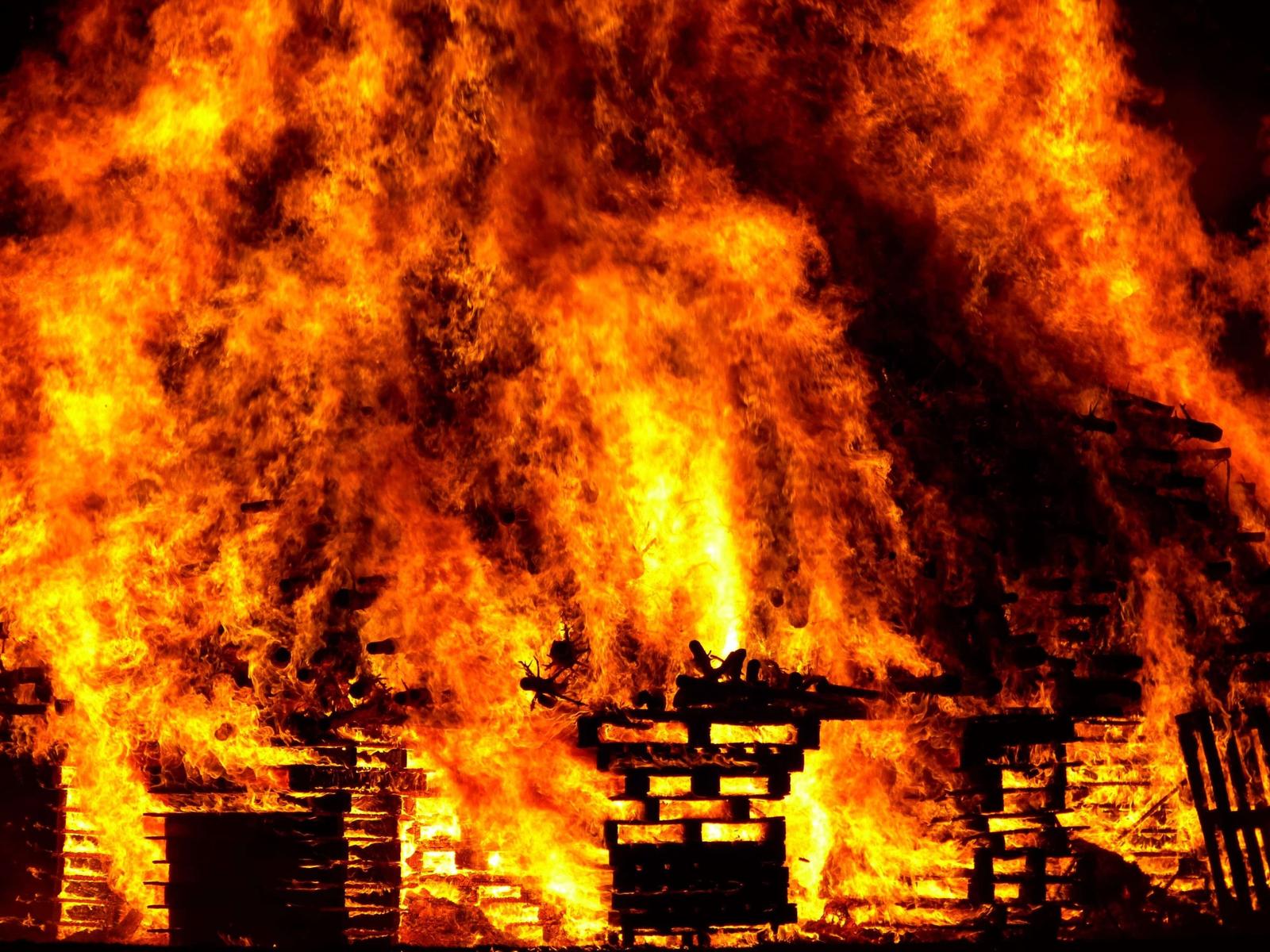
What Happens During Professional Fire Damage Restoration
Fire damage is more complex than it looks. Soot, smoke odor, water damage from firefighting, and structural concerns all have to be addressed in the right order. Here's exactly what professional fire restoration involves.
A house fire is one of the most disorienting events a homeowner can experience. Even a contained fire — one that was caught quickly and extinguished before spreading to multiple rooms — leaves behind a complex restoration situation that involves multiple simultaneous types of damage.
Understanding what professional fire damage restoration actually involves helps property owners make informed decisions, work effectively with insurance companies, and set realistic expectations for how long the process takes.
Fire Damage Is Always More Than Just the Fire
When firefighters extinguish a structure fire, they introduce a third damage source on top of the fire and smoke: water. Hundreds or thousands of gallons of water may be used to suppress a residential fire, and this water saturates floors, walls, ceilings, and contents — creating water damage that must be addressed on the same timeline as fire and smoke damage to prevent mold from establishing.
The three components of fire damage restoration are:
- Fire and heat damage: Structural materials burned, weakened, or compromised by heat
- Smoke and soot damage: Smoke penetrates porous surfaces throughout the structure, often far beyond the fire's origin
- Water damage: Firefighting water saturates materials that must be dried to prevent secondary mold damage
The Professional Fire Restoration Process
Phase 1: Emergency Response and Securing the Property
After the fire department clears the structure, the first professional response is emergency securing — boarding windows and doors, tarping damaged roofing, and establishing site safety. This protects the property from weather, vandalism, and further damage while the restoration process is organized.
Phase 2: Damage Assessment and Documentation
A complete assessment documents all fire, smoke, and water damage throughout the structure. This documentation — photographs, moisture readings, structural assessment, contents inventory — forms the basis of the insurance claim and the restoration scope of work. Thorough documentation from the beginning prevents disputes with adjusters and ensures the full scope of damage is covered.
Phase 3: Water Removal and Structural Drying
Water from firefighting must be extracted and the structure dried before reconstruction can begin. This phase uses the same industrial extraction and drying equipment we use for water damage restoration — truck-mounted extractors, commercial dehumidifiers, and air movers — monitored daily with moisture meters until all structural materials reach acceptable dryness levels.
24/7 Emergency Service
Need immediate restoration help?
Our IICRC-certified technicians respond fast across Southeast Idaho. Don't wait — every hour counts when water or mold is involved.
Call (208) 604-4411Phase 4: Smoke, Soot, and Odor Removal
Smoke damage is the most pervasive and underestimated component of fire restoration. Soot deposits on surfaces throughout the structure — often in rooms far from the fire's origin — and smoke odor penetrates porous materials including insulation, wood framing, drywall, and contents. Professional odor removal involves:
- HEPA-filtered air scrubbing throughout the structure
- Chemical sponge cleaning of all soot-deposited surfaces
- Thermal fogging or ozone treatment to neutralize odor molecules embedded in porous materials
- Encapsulant sealers on structural materials that cannot be replaced
Incomplete smoke and soot removal is the most common reason Idaho Falls homeowners are dissatisfied with fire restoration — odor that reactivates in warm weather, or soot bleed-through on painted surfaces months later. Professional treatment using the correct sequence of cleaning methods eliminates this.
Phase 5: Debris Removal and Demolition
Structural materials that cannot be restored — fire-damaged framing, burned drywall, compromised insulation — are removed and disposed of. This phase also removes contents that are too damaged to restore.
Phase 6: Reconstruction
Once the structure is clean, dry, and deodorized, reconstruction begins. This involves replacing structural elements, installing new insulation and drywall, and restoring finishes — flooring, painting, trim, and fixtures — to pre-loss condition.
How Long Does Fire Restoration Take?
Timeline varies considerably with the extent of damage. A contained kitchen fire with minimal structural damage might be complete in 3–6 weeks. A larger event involving multiple rooms, significant structural damage, and complex reconstruction can take 3–6 months. The insurance claim process often runs parallel to restoration and can influence timeline depending on adjuster availability and supplement negotiations.
Working With Your Insurance Company
Fire damage insurance claims are more complex than water damage claims and often involve negotiation over scope. An experienced restoration company manages the claim documentation, communicates directly with your adjuster, and handles the supplement process when additional damage is discovered during restoration. Home Pride works with all major Idaho insurance carriers and provides complete claim documentation from the first day on-site.
Sources
- After a Fire: Returning Home — American Red Cross
- IICRC Standards for Restoration — Institute of Inspection, Cleaning and Restoration Certification (IICRC)
- Which Disasters Are Covered by Homeowners Insurance? — Insurance Information Institute
Eddy — Owner & Lead Technician
IICRC Certified · Water Damage Restoration · Mold Remediation
Eddy is the owner and lead technician at Home Pride Restoration and Cleaning, a family-owned business he has grown to serve Southeast Idaho for over 40 years. IICRC certified in water damage restoration and mold remediation, he has personally overseen thousands of residential and commercial projects across Idaho Falls and the surrounding region. Eddy founded the company on a simple belief: honest, reliable work that treats every home like his own.
Related Articles

Protect Your Home's Foundation from Water Damage with These Tips
Water damage might not seem like an immediate concern, but it can lead to extensive—and expensive—problems for your home's foundation if left unchecked. Whether you're a homeowner looking to safeguard your property or a property manager tending to a portfolio of buildings, keeping water at bay is crucial for maintaining the structural integrity of any property.
How to Get Rid of Mold in Your Home (DIY vs. Professional Guide)
Mold in your home demands fast action. Learn the EPA-recommended steps for safe DIY mold removal under 10 square feet, when to call a professional, and how Idaho Falls homeowners can prevent mold from coming back.

Mold Inspection vs. Mold Testing: What's the Difference?
Mold inspection and mold testing serve different purposes — and you don't always need both. Here's when each one matters, what they cost, and how Idaho Falls homeowners should approach the decision.
Dealing with fire damage in Idaho Falls?
Home Pride Restoration provides complete fire damage restoration in Idaho Falls and Southeast Idaho — from emergency securing through final reconstruction. We work directly with your insurance company.