
Steps To Cleaning An Area Rug
Eventually, vacuuming alone won't cut it for keeping your area rug clean. Learn the proper steps to deep clean your area rug and keep it looking its best.
Eventually, vacuuming alone won't cut it for keeping your area rug clean. As stains accumulate as well as dirt and dust mites become deeply rooted into the carpet, you will need to deep clean your area rug to avoid permanent damage. Typically, this is best handled by a professional carpet cleaning company with the experience and equipment necessary to get the job done right. However, you can handle this on your own in some cases.
Carpet Cleaning Company Idaho Falls
From our team at Home Pride Restoration, here is what you need to do to clean an area rug.
Step 1: Vacuum Each Side Of The Rug
Start by thoroughly vacuuming both sides of the rug. Go over the rug several times and make sure that the vacuum is set to the proper height. This means that the vacuum is not so high that it cannot effectively pull the dirt out of the rug or so low that it can damage the rug fibers. Vacuuming will only get the surface-level dirt and grime out of the rug, but it is a good start.
Vacuuming Best Practices:
- Check vacuum height settings: Adjust based on rug pile depth
- Vacuum in multiple directions: Go against the grain, then with it
- Pay attention to edges: Use crevice tools for detailed cleaning
- Empty bag/canister: Ensure maximum suction power
- Clean both sides: Flip the rug and vacuum the back
Step 2: Apply Shampoo And Wash The Rug
Once the vacuuming is complete, the rug is ready to be washed and shampooed. This should proceed in two main steps:
Test the Shampoo First
First, you need to find a shampoo that works for your rug. You can do this by spot-testing different types of shampoos. You can do this by testing different shampoos on a small, innocuous corner of the rug. Then, check to see if the shampoo caused any discoloration or fiber damage before continuing. If not, then you are safe to go ahead with using that specific type of shampoo on your area rug.
Apply the Shampoo
Once you know the shampoo that you will use, start washing the rug by hosing it down (you can do this with a simple garden hose). Once the rug is fully soaked, add the shampoo. The next part is the most labor-intensive. You will need to scrub the shampoo deep into the carpet fibers using a sturdy brush with a strong handle.
Washing Guidelines:
- Work in sections: Clean manageable areas at a time
- Use proper dilution: Follow manufacturer's instructions
- Scrub gently but thoroughly: Work shampoo into fibers without damaging them
- Work in one direction: Maintain consistent brush strokes
- Allow dwell time: Let shampoo work as directed
Step 3: Rinse The Rug
Finally, leave the shampoo on the rug for as long as the instructions instruct. Then hose the rug down once again to get all the shampoo out.
Proper Rinsing Technique:
- Rinse thoroughly: Remove all soap residue to prevent dirt attraction
- Use clean water: Multiple rinses may be necessary
- Check for suds: Continue rinsing until water runs clear
- Squeeze out excess water: Remove as much water as possible
Step 4: Dry The Rug
Proper drying is crucial to prevent mold and mildew growth. Here's how to dry your rug effectively:
Drying Methods:
24/7 Emergency Service
Need immediate restoration help?
Our IICRC-certified technicians respond fast across Southeast Idaho. Don't wait — every hour counts when water or mold is involved.
Call (208) 604-4411- Air drying: Hang on a clothesline or lay flat on a clean surface
- Flip regularly: Ensure both sides dry evenly
- Improve airflow: Use fans to speed up the drying process
- Avoid direct sunlight: Can cause fading and fiber damage
- Check for complete drying: Ensure no moisture remains before use
When to Consider Professional Cleaning
While DIY cleaning can be effective for routine maintenance, certain situations call for professional intervention:
Professional Cleaning is Recommended For:
- Valuable or antique rugs: Require specialized care and techniques
- Delicate materials: Silk, wool, or hand-woven rugs
- Stubborn stains: Oil-based or set-in stains
- Large rugs: Difficult to handle and clean at home
- Regular maintenance: Professional cleaning every 12-18 months
- Odor issues: Pet odors or smoke damage
Common Mistakes to Avoid
What NOT to Do When Cleaning Area Rugs:
- Over-wetting: Can damage backing and cause shrinkage
- Using harsh chemicals: Can bleach or damage fibers
- Skipping the test spot: Always test cleaning products first
- Inadequate rinsing: Soap residue attracts more dirt
- Poor drying: Can lead to mold and mildew
- Using hot water: Can cause shrinkage and color bleeding
Rug Material Considerations
Different Materials Require Different Care:
Wool Rugs:
- Use cool water and wool-specific cleaners
- Dry quickly to prevent shrinkage
- Consider professional cleaning for best results
Synthetic Rugs:
- More resistant to cleaning products
- Can tolerate more aggressive cleaning
- Dry faster than natural fibers
Cotton Rugs:
- Often machine washable (check label)
- Can usually handle standard detergents
- May shrink if over-wetted
Maintenance Tips for Long-Term Care
Keep Your Area Rug Looking Great:
- Regular vacuuming: At least once per week
- Rotate regularly: Prevent uneven wear patterns
- Address spills immediately: Blot, don't rub
- Use rug pads: Prevent slipping and extend rug life
- Professional cleaning: Annual or bi-annual deep cleaning
- Protect from sunlight: Use window treatments to prevent fading
Signs You Need Professional Help
While DIY cleaning can be effective, sometimes professional expertise is necessary:
- Persistent odors after cleaning
- Stains that won't come out
- Visible wear or damage to fibers
- Color bleeding or fading
- Mold or mildew growth
- Water damage to the rug
Professional Area Rug Cleaning Services
At Home Pride Restoration and Cleaning, we offer comprehensive area rug cleaning services that include:
- Pre-inspection and fiber identification
- Specialized cleaning techniques for different materials
- Stain removal and odor elimination
- Professional drying and finishing
- Protective treatments to extend rug life
- Pickup and delivery services
Whether you choose to clean your area rug yourself or trust it to professionals, proper care will keep your rugs looking beautiful and extend their lifespan. For expert area rug cleaning in Idaho Falls, contact Home Pride Restoration and Cleaning today!
Sources
- Carpet and Rug Cleaning Guide — Carpet and Rug Institute
- Indoor Air Quality: Carpets and Rugs — U.S. Environmental Protection Agency
- IICRC S100 Standard for Professional Carpet Cleaning — Institute of Inspection, Cleaning and Restoration Certification (IICRC)
Eddy — Owner & Lead Technician
IICRC Certified · Water Damage Restoration · Mold Remediation
Eddy is the owner and lead technician at Home Pride Restoration and Cleaning, a family-owned business he has grown to serve Southeast Idaho for over 40 years. IICRC certified in water damage restoration and mold remediation, he has personally overseen thousands of residential and commercial projects across Idaho Falls and the surrounding region. Eddy founded the company on a simple belief: honest, reliable work that treats every home like his own.
Related Articles

Why Does My Carpet Never Look Clean?
Even after a thorough deep cleaning, many homeowners are discouraged to find their carpet looking just as dirty as it was when they started. Learn the four main reasons why this happens and how to prevent it.
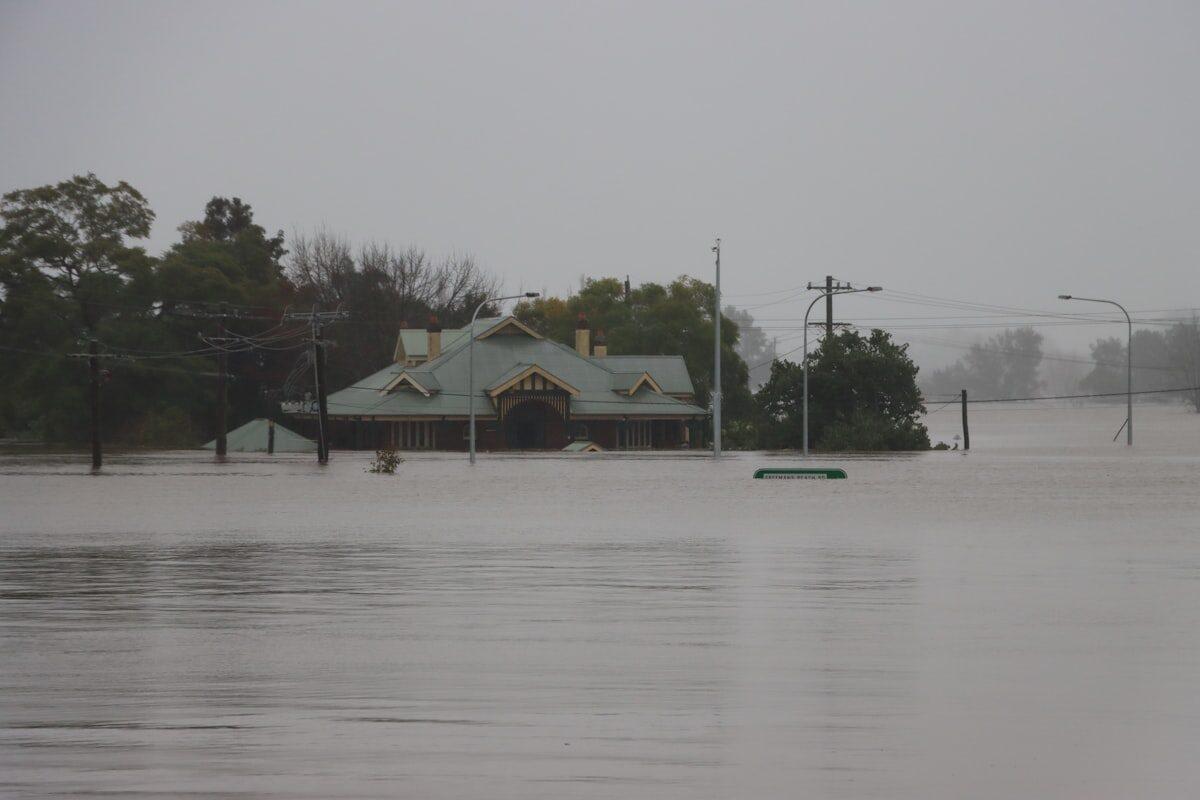
Flooded Basement in Idaho Falls: What to Do in the First 24 Hours
A flooded basement in Idaho Falls can happen year-round — from frozen pipe bursts in winter to spring snowmelt pushing water through foundation cracks. Here's exactly what to do in the first 24 hours to minimize damage and protect your health.

Why Quick Action Matters: The Importance of Emergency Water Extraction to Protect Your Home
Flooding or unexpected water intrusion can turn any homeowner's world upside down. Whether it's the aftermath of a storm, a broken pipe, or an overflowing appliance, water damage is relentless and can compromise both the structure and safety of your home. Acting quickly isn't just advisable; it's essential.
Need Professional Restoration Services?
Contact Home Pride Restoration and Cleaning for expert water damage, mold removal, and restoration services throughout Idaho.